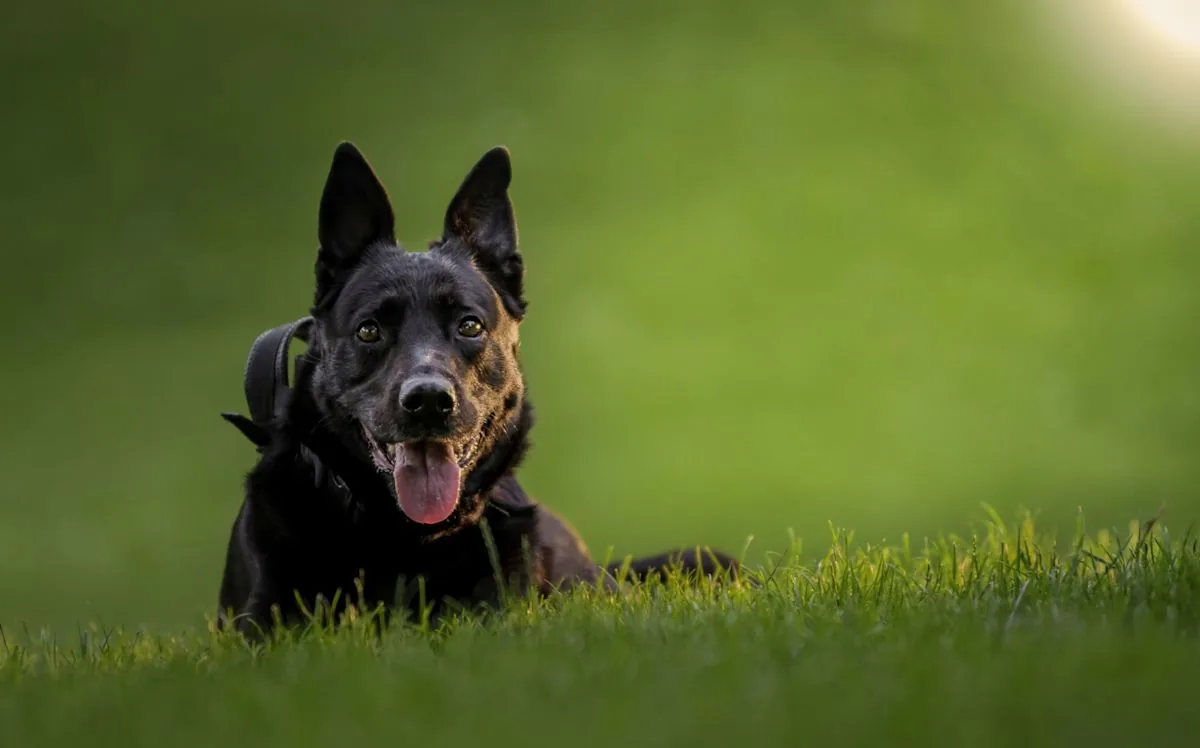
Retired Polk County Sheriff’s Dog Runs and Plays Again After a St. Petersburg Clinic Fits Him With a Custom Prosthetic Leg
ST. PETERSBURG, FL — A retired Polk County sheriff’s K-9 is running, jumping and playing again after a St. Petersburg clinic donated a custom prosthetic to replace the leg he lost in the line of duty.
Ace, a former sheriff’s dog, received the artificial limb from Westcoast Brace and Limb after surviving a shooting during an ambush in early August. According to WTVT, he was able to move independently about three weeks after getting the device, no longer needing his handler and a walking harness for support.
The recovery marks a dramatic turn for a dog whose injuries were so severe that veterinarians had to remove his left front leg and shoulder blade. His retirement followed the amputation, but his care team kept looking for a way to help him regain mobility.
How Ace was injured during the ambush
Ace was shot by an armed suspect who was wanted by deputies, according to Polk County officials and WTVT. The encounter ended in a shootout with deputies, and the suspect died.
The dog’s injuries were extensive enough that veterinarians could not save the limb. After surgery, the sheriff’s office retired Ace while his handler, Deputy Natalie Oestreich, began looking for options that could make daily movement easier and more comfortable.
That search led Oestreich to ask about a custom pet prosthetic. Polk County Animal Control Dr. Kerry Jackson also reached out to the clinic to help arrange the limb, giving the effort another layer of support as Ace began a new stage of recovery.
A donated limb built from a body mold and custom fabrication
Few places make custom animal prosthetics, which made the clinic’s help especially important. Practitioners at Westcoast Brace and Limb’s St. Petersburg location took a body mold so the device could be fitted to Ace’s frame.
The limb was then fabricated at the company’s main lab in Tampa, near the University of South Florida. Danielle Tobler, a certified prosthetist-orthotist at the St. Petersburg office, told WTVT that the work depended on specialized technicians who handle pet orthotics and prosthetics.
The clinic donated both the device and the labor, meaning the sheriff’s office received the custom limb at no cost. Staff already knew Ace’s story when they agreed to take on the project and said the work was something they were glad to provide.
Training Ace to bear weight and move on the prosthetic
The fitting was only the first step. Clinic staff worked with Ace inside the office, guiding him through hops and other movements so he could learn how to carry weight on the artificial leg.
Jackson said Oestreich initially held Ace’s harness while he walked, but the dog gradually improved. Over time, he progressed from assisted movement to walking on his own, then to running and jumping with the prosthetic in place.
Staff also noted his friendly temperament during the visit, describing him as sweet as he adjusted to the new equipment. The immediate progress showed that the limb was doing what the team had hoped: giving Ace enough support to move more naturally again.
Follow-up visits will check the fit and alignment
The clinic plans to see Ace again in a few weeks to check the fit of the prosthetic and decide whether the alignment needs to be adjusted. Tobler said the device is not meant to be worn every moment of the day, but mainly for walks and other activities.
That follow-up will help determine whether the limb needs tweaks as Ace keeps adapting to life with the prosthetic. For now, the focus is on comfort, balance and making sure the fit remains right as he becomes more active.
To encourage him during recovery, staff also made custom shirts for Ace. The small gesture matched the larger effort behind the project: helping a retired working dog regain some of the movement he lost after the attack.
What comes next for the retired K-9 and his handler
Ace will stay at home with Oestreich throughout his retirement while she looks for a new K-9 partner. The arrangement gives him a familiar environment and continued care as he settles into a life beyond police work.
With the prosthetic, he can now take part in activities that would have been much harder after the amputation. The change has given his handlers and caregivers a sign that even after a devastating injury, he can still enjoy the kinds of movement that make life more normal.
His story also highlights the specialized work that goes into helping injured animals recover, especially when a custom-made device and a team willing to donate time and materials can make a difference.