South Florida Police Departments Warn Residents About Impersonator Scams as Callers Fake Warrants, Bonds and Officer Identities to Steal Money
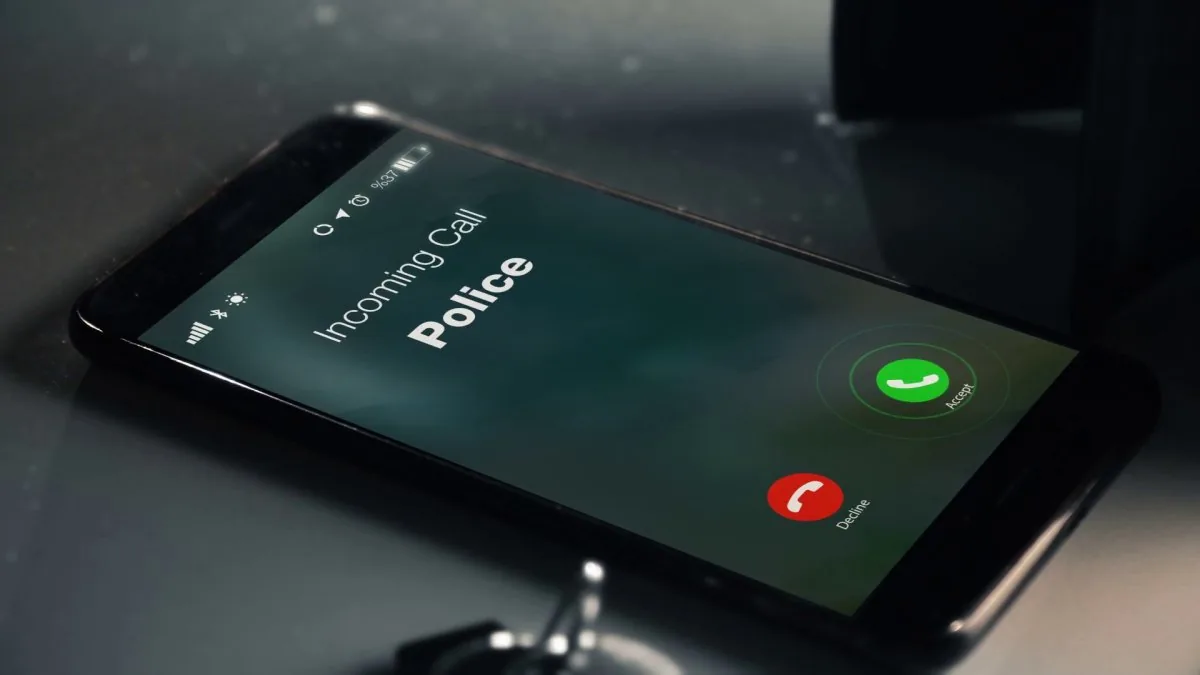
MIAMI, FL — Several South Florida law enforcement agencies are warning residents about a wave of phone scams in which callers pretend to be police officers and try to pressure people into sending money. Investigators say the scammers tell victims they have an outstanding warrant, a pending case, unpaid bond or missed jury duty, then push for immediate payment to avoid arrest or other consequences.
Authorities say the calls can look convincing because some scammers are using real officer names, badge numbers and even fake caller ID information. In one recent case in Sunny Isles Beach, a fraudster posing as a police lieutenant sent a fake notice to a potential victim in an attempt to collect money. Police said the person grew suspicious and contacted the department before paying, which stopped the scam from succeeding.
Agencies say the calls are designed to create panic and urgency
Police departments say the goal of the scam is to make people react before they have time to think. The callers often claim the victim must act right away to avoid being arrested or facing court trouble. That pressure is part of what makes the scheme effective, especially when the caller uses enough details to sound official.
Homestead police said scammers may falsely claim someone owes money for an unpaid ticket or has an outstanding warrant, then threaten arrest unless payment is made immediately. Hialeah police warned that similar callers have been contacting residents about pending criminal cases, warrants and unpaid bonds. In both cases, the messages are meant to sound like urgent law-enforcement instructions rather than a typical fraud attempt.
Homestead and Hialeah warn they never collect money this way
Several agencies have used social media and public warnings to make one thing clear: real police departments do not call people and demand payment for tickets, warrants or legal problems. Homestead police said they will never ask for payment over the phone, never request gift cards, wire transfers or cryptocurrency, and never send someone to a home to collect cash.
Hialeah police also cautioned residents that scammers may borrow the names of actual officers, use badge numbers and manipulate caller ID to make the call appear authentic. That makes verification essential. Police say residents should be skeptical of anyone who insists on secrecy, immediate payment or unusual methods of transfer, especially when the caller claims to represent law enforcement.
Palm Beach County deputies say scammers are using real captain names
The Palm Beach County Sheriff’s Office says callers have been pretending to be captains with the agency and even using the names of Captain Todd Baer and Captain Randy Foley. In those calls, scammers tell residents they need to appear in court or pay money. Deputies say the claims are false and are meant to pressure people into complying before they can verify the situation.
The sheriff’s office urged people not to believe the callers, not to send money and not to provide personal information. Instead, the agency recommends simply hanging up. That advice reflects a broader warning from departments across the region: a caller who demands payment to settle a supposed legal matter is not following normal police procedure.
More Florida agencies are sharing the same alert
The warnings have not been limited to one county. Other agencies across Florida have posted similar alerts, including the Kissimmee Police Department and sheriff’s offices in Hillsborough, Osceola and Sarasota counties. Sunny Isles Beach police also repeated the warning, telling residents that scammers may use official-sounding language or forged documents to appear legitimate.
The repeated messaging suggests that the tactic is spreading across different communities at the same time. By using the same basic script, scammers can target a wide range of people while making the fraud sound local and believable. Police say that is why residents should not assume a caller is real just because the details sound specific or because the caller seems to know their name.
What to do if you get a suspicious police call
Authorities say the safest response is to hang up immediately if someone claims to be law enforcement and asks for money, gift cards or personal information. If there is any doubt, residents should call the department’s non-emergency number directly and ask whether the contact was legitimate. Police say people should never use a number given by the caller without checking it independently.
Officials also want the public to share the warning with older relatives, neighbors and anyone else who might be more vulnerable to fraud. The message from agencies across South Florida is consistent: police will not demand payment over the phone to avoid an arrest. A suspicious call should be treated as a scam until proven otherwise.