Houston Proposition a Would Set Marijuana Enforcement and No-Knock Warrant Rules as Voters Prepare for November Election
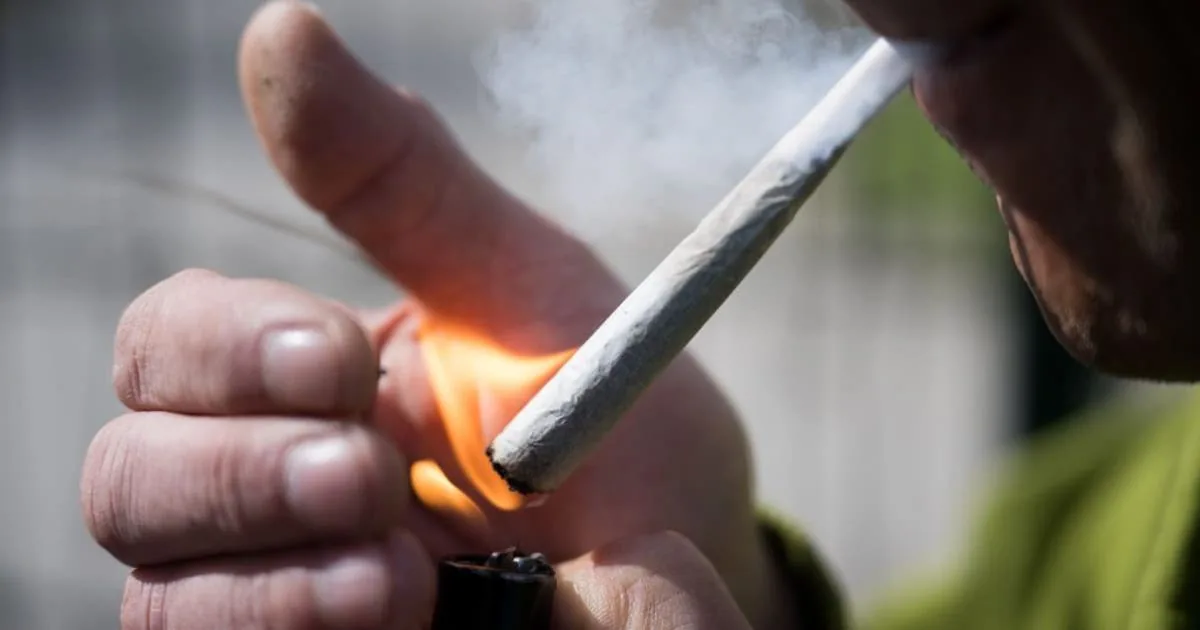
HOUSTON, TX — Houston voters will decide Proposition A in the November 2026 election, a charter amendment that would change how the Houston Police Department handles low-level marijuana possession and no-knock search warrants. If approved, the measure would require HPD to make enforcement of Class A and Class B misdemeanor marijuana possession its lowest law-enforcement priority.
The proposal would also bar Houston police officers from requesting or carrying out no-knock warrants. That part of the measure comes after intense scrutiny of the tactic in the aftermath of the 2019 Harding Street raid, when two homeowners were killed.
What the proposition would change in Houston policing
Proposition A is written as a change to the city charter. The ballot language says voters would be deciding whether Houston should amend its rules to make marijuana possession cases at the misdemeanor level a lower priority for police enforcement, while also adding reporting requirements tied to that policy.
The measure is not framed as a citywide legalization step. Instead, it would change how police resources are directed inside Houston. Under the proposal, HPD would still exist as the city’s police department, but its enforcement focus on certain marijuana cases would be reduced to the lowest level of priority.
Supporters and opponents will likely debate what that means in practice, but the ballot item itself is specific: it would alter enforcement priorities, not rewrite state drug law.
No-knock warrants remain at the center of the debate
The other major part of the proposition would prohibit Houston police from asking for or executing no-knock search warrants. Those warrants allow officers to enter without first knocking and announcing their presence, a tactic that has drawn criticism in Houston and beyond.
The measure’s language links that restriction to concerns raised after the 2019 Harding Street raid. In that case, two homeowners were killed, and the incident intensified public attention on the dangers of aggressive warrant service. Proposition A would make the no-knock ban part of the city charter if voters approve it.
By placing the restriction in the charter, the proposal would create a formal rule for HPD officers rather than leaving the issue to internal department policy alone.
Approval would not legalize marijuana in Texas
One of the key points for voters is what Proposition A would not do. Even if it passes, marijuana would still not be legalized in Texas or in Houston. The change would only affect how Houston police prioritize enforcement of certain marijuana possession offenses.
That distinction matters because the proposition is limited to city enforcement decisions. It would not change statewide drug law or erase marijuana penalties under Texas law. Instead, it would tell HPD to treat Class A and Class B misdemeanor possession as its lowest enforcement priority.
In practical terms, the measure focuses on police procedure and enforcement emphasis, not on making marijuana legal for residents or visitors in the city.
Early voting runs through the end of October
Early voting for the November 2026 election began Monday, October 19, and continues through Friday, October 30. Houston-area voters who want to weigh in on Proposition A will need to cast ballots during that window or on Election Day.
Because the proposition appears on the ballot alongside other local and state contests, voters should check their sample ballot and make sure they know where to vote. Harris County Elections Office information is one of the official sources used to explain the measure and the voting schedule.
The proposition is part of a broader election in which local ballot items can shape how city agencies carry out their work.
Texas voter ID rules apply to in-person ballots
Texas voters casting ballots in person must present an acceptable photo ID. That list includes a Texas driver license, a Texas election identification certificate, a Texas personal identification card, a Texas handgun license, a U.S. military ID with a photograph, a U.S. citizenship certificate with a photograph, or a U.S. passport, either book or card.
If a voter does not have one of those forms of ID and cannot reasonably obtain one, the state allows certain supporting documents, including a voter registration certificate, utility bill, bank statement, government check, paycheck, or a certified domestic birth certificate. The state also lists some other documents that can confirm identity.
For voters ages 18 to 69, an acceptable photo ID must be current or expired no more than four years. For voters 70 and older, the ID may be expired for any length of time if it is otherwise valid.
How voters can report problems or file complaints
Texas officials say voters who run into problems or have questions can call the Secretary of State’s toll-free election hotline at 1-800-252-VOTE, or 1-800-252-8683. They can also email [email protected] for help with voting concerns.
Those who want to file a formal complaint can download the state complaint form and submit it by mail, fax or email. The election guidance is designed to help voters navigate the process if they encounter issues before or during voting.
For Houston residents considering Proposition A, those resources may be useful as early voting continues and Election Day approaches.