Florida Governor Sets Execution Date for Man Convicted in 1992 North Miami Beach Police Officer Killing During Bank Robbery
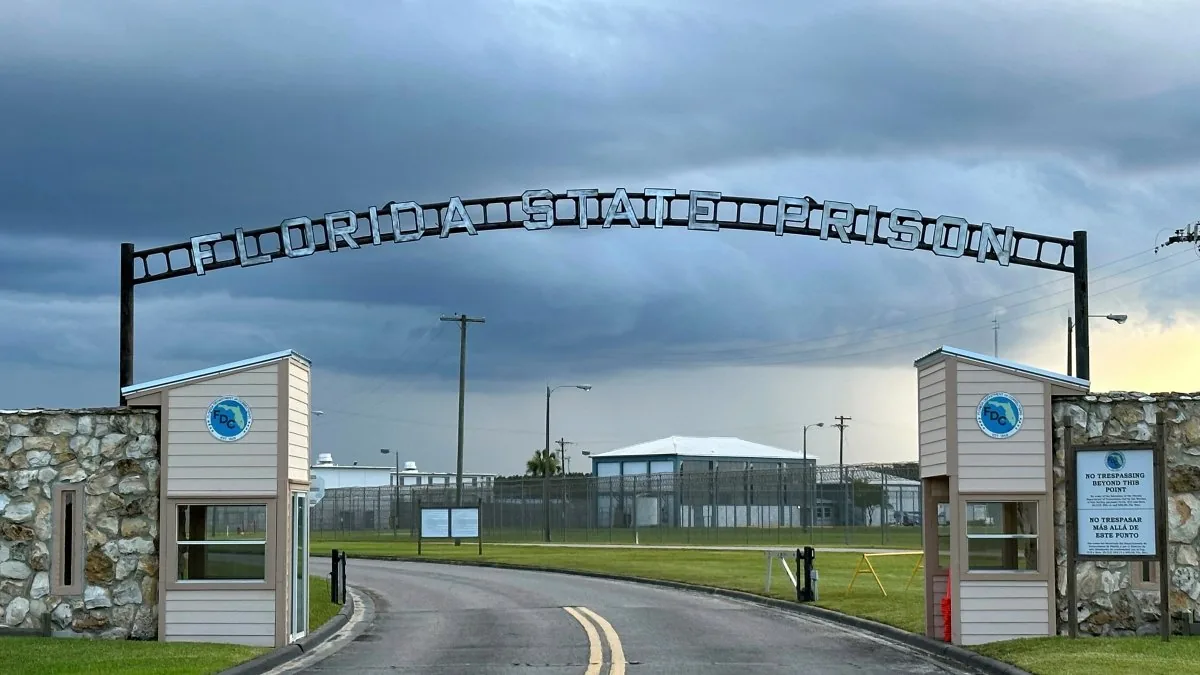
TALLAHASSEE, FL — Florida Gov. Ron DeSantis has signed a death warrant for Ricardo Gonzalez, the man convicted in the 1992 killing of North Miami Beach police Officer Steven Bauer. Gonzalez is scheduled to be executed by lethal injection on Dec. 1 at Florida State Prison.
The case stems from a bank robbery in which Gonzalez and three others took a cash box from a Kislak National Bank drive-thru teller. Court records say Gonzalez fired the shot that killed Bauer, who was escorting bank tellers at the time. The execution date places Gonzalez among the next inmates in line as Florida continues carrying out an unusually high number of executions this year.
How the fatal shooting unfolded during the robbery
According to court records, the robbery took place on Jan. 3, 1992, at a Kislak National Bank location. Bauer was helping escort bank tellers to the drive-thru windows when Gonzalez and three co-defendants moved in during the crime.
Officials say Gonzalez fired the gun that caused Bauer’s death. After the shooting, Gonzalez went to pick up the money tray that had fallen to the ground, according to the sentencing order in the case. The order also says he later received $1,500 as his share of the robbery proceeds, underscoring the money-driven nature of the crime.
Confessions and the conviction that followed
Police stopped Gonzalez at his residence a little more than two weeks after the robbery. During that encounter, he gave both unrecorded and recorded confessions, according to the case summary cited in court records.
Gonzalez said he had shot low and believed he had only hit Bauer in the leg. Investigators later determined that the fatal bullet struck Bauer in the chest. Gonzalez was convicted of first-degree murder of a law enforcement officer, armed robbery, aggravated assault, two counts of grand theft and two counts of burglary.
Sentence and the arguments raised at trial
After the conviction, Gonzalez was sentenced to death for the murder of Officer Bauer. The sentencing order, signed by Circuit Court Judge Robert Scola Jr. on Sept. 19, 1998, describes the sequence of events after the shooting and the division of the robbery proceeds.
At trial, a clinical neuropsychologist who testified on Gonzalez’s behalf said he was operating under extreme mental or emotional disturbance. The testimony pointed to family instability, educational and language limitations, prior boxing and brain damage, trouble controlling impulses and poor judgment. Those arguments did not prevent the death sentence from being imposed.
Florida’s busy execution calendar this year
Gonzalez is set to become Florida’s 21st inmate executed this year if the warrant is carried out as scheduled. That would add to what has already been a record pace for the state in recent years.
Florida carried out 19 executions last year, the most in a single year since the U.S. Supreme Court ended a national moratorium on executions in 1976. With other executions already scheduled for Thursday and Nov. 19, Gonzalez is among the inmates awaiting the next dates on the state’s execution calendar.
Where Gonzalez fits in the national death penalty picture
Data from the Death Penalty Information Center show that 32 prisoners have been executed in six states this year: Florida, Texas, Alabama, Tennessee, Oklahoma and Arizona. Texas has the second-highest total with seven executions.
Florida’s Department of Corrections listed 235 people on death row as of Monday. Two of Gonzalez’s co-defendants, Leonardo Franqui and Pablo San Martin, are also among that group. The death warrant now puts renewed attention on a case that has been part of Florida’s capital punishment system for decades.