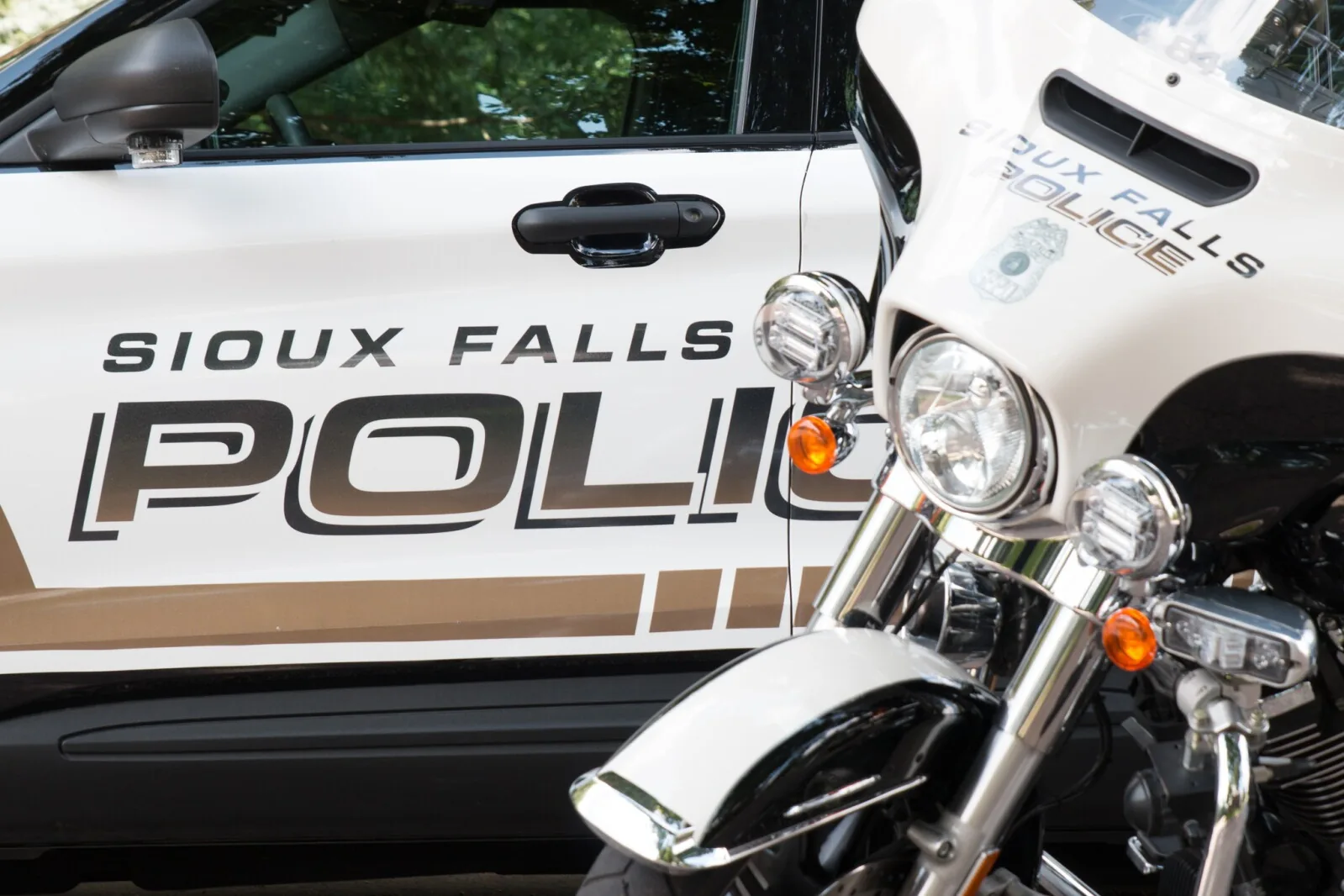
Sioux Falls Resident Wired Thirty Nine Thousand Dollars to Florida After Scammers Posed as Bank Staff and FBI Agents, Police Say
SIOUX FALLS, SD — Police in Sioux Falls are investigating a fraud scheme that led a resident to wire nearly $40,000 to an account in Florida after receiving what appeared to be a bank fraud warning. Sgt. Aaron Benson said officers were contacted Friday after the victim realized something was wrong and reached out for help.
The case is the latest example of scammers using urgency and official-sounding language to pressure people into moving money quickly. In this instance, the victim thought the warning came from a bank, then got a call from people claiming to be a bank representative and an FBI agent.
How the fake bank warning led to a phone call
According to Benson, the victim got a text early last week that looked like a fraud alert from a bank. Believing the message might be legitimate, the man replied that the charge was unauthorized.
A short time later, a caller followed up and continued the conversation. Police say the scammers were posing as both a bank representative and an FBI agent, using the pretense of an active fraud investigation to keep the victim engaged.
The pitch was that the victim needed to help protect his money while investigators looked into suspected fraud at the bank. That setup is common in scams that rely on fear, confusion and a sense that the victim must act immediately.
Scammers pushed a wire transfer to a Florida account
Police say the callers told the victim the safest step was to wire the money to an account in Florida. The victim followed those instructions and sent $39,000.
After that transfer, the person pretending to be an FBI agent contacted the victim again and asked for another $35,000. That additional demand is what finally raised doubts, and the victim began to suspect the entire exchange was fraudulent.
Once the victim understood the warning signs, police were contacted. The timing mattered, Benson said, because the realization came before any more money was sent.
Bank recovered some of the funds and may recover more
Benson said the victim’s bank was able to recover some of the wired money. The bank is also working to possibly get back more of the funds, although police did not release the exact amount recovered.
Even partial recovery can be difficult in wire fraud cases because money can move fast once it leaves the account. In this case, the bank’s quick response created at least some chance of limiting the loss.
Investigators have not said who ultimately controlled the Florida account or whether any arrests have been made. For now, police are treating the matter as an active fraud investigation involving a local resident and an out-of-state transfer.
Police warn residents to verify requests before sending money
Benson said this is another version of a scam police have been seeing recently, with criminals posing as law enforcement and asking victims to make transactions. He urged residents to slow down and ask questions before sending any funds.
His advice was straightforward: contact the bank directly to confirm whether a warning is real before taking action. That extra step can help expose a scam before money is wired away.
Fraudsters often try to create urgency so people feel they cannot pause or check details. Police say legitimate banks and federal agencies will not pressure customers into wiring money to an unknown account as a way to solve a fraud problem.
Why this scam worked and what to watch for next
The sequence of a text alert, a follow-up call and an official-sounding identity helped make the scam believable. By combining a supposed bank warning with a claim that the FBI was involved, the callers tried to make the victim trust the instructions and ignore warning signs.
Police have not said whether the victim knew the Florida account holder or had any prior connection to the destination account. What is clear is that the transfer began with a deceptive message and escalated through pressure from people pretending to be authorities.
Benson’s warning reflects the larger lesson from the case: unsolicited contact about fraud should be treated carefully, especially when it leads to requests for money movement. Residents who are unsure should stop, verify through official channels and avoid wiring funds until they know the request is real.