Investigators Recover Cockpit Voice Recorder From Florida Jet Crash That Killed Nine as NTSB Probes Severe Weather and Breakup in Flight
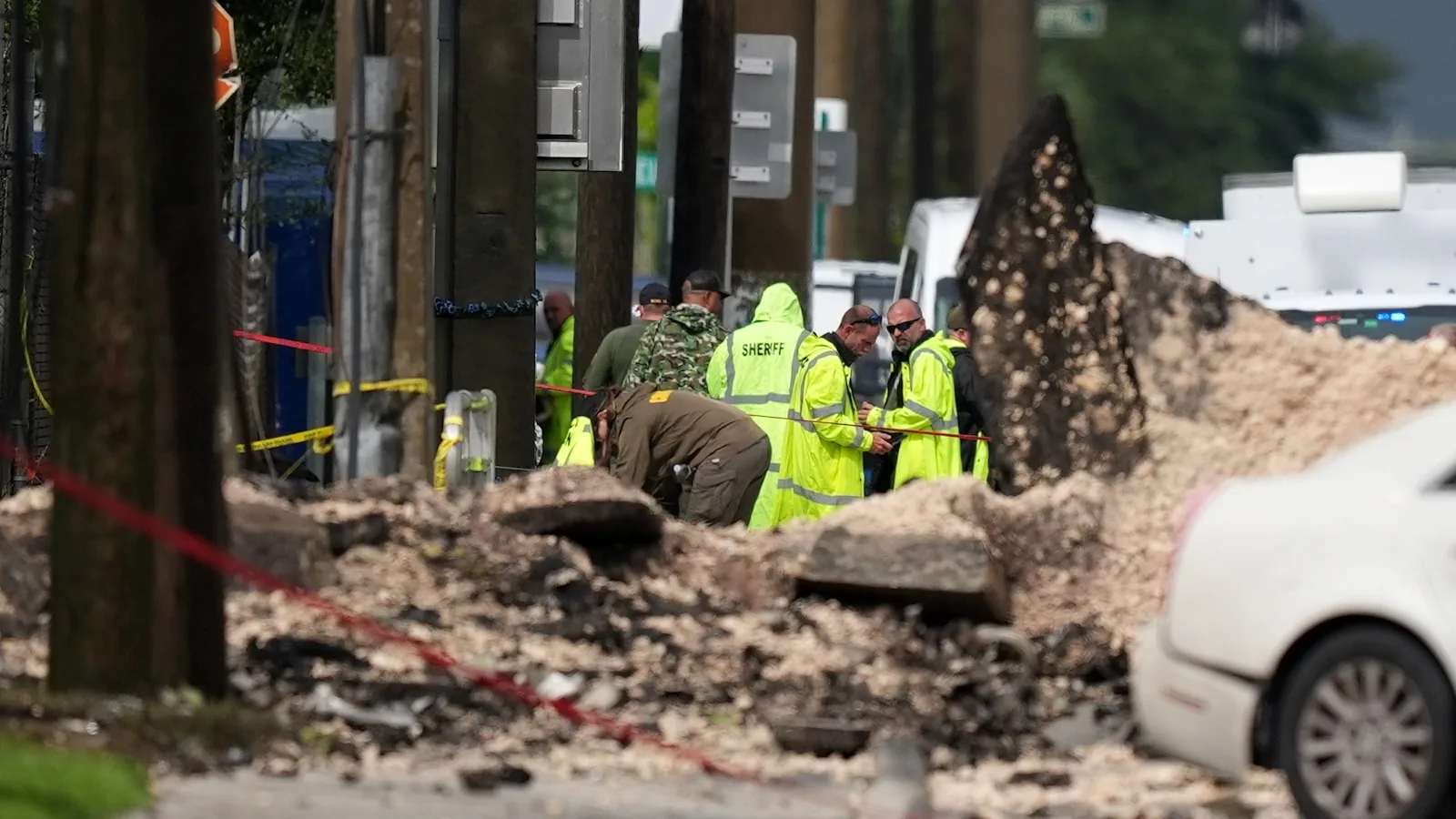
WASHINGTON, DC — Investigators have recovered the cockpit voice recorder from a business jet that crashed in Florida last week, killing all nine people on board. The National Transportation Safety Board said the device was found at the site where the Bahamas-bound Learjet came down in a fireball on Nov. 1.
The recorder could help reconstruct what the pilots were saying to each other as the aircraft hit severe weather, encountered turbulence and ice, and then lost control. Officials said the device is being examined at a laboratory in Washington, and it is not yet clear whether it was damaged or whether it was operating properly before the crash.
What the recorder may reveal about the final minutes of the flight
The cockpit voice recorder is one of the most important pieces of evidence in an aviation crash investigation because it can capture conversation, cockpit sounds and alarm activity from the end of a flight. In this case, investigators are hoping it will fill in gaps left by dramatic witness video and air traffic control recordings that captured the jet’s final descent.
Those recordings already show the pilots realizing the danger as the aircraft plunged nose-first toward the ground. The voice recorder may add more detail about what the crew saw, what warnings they heard and how they responded as the weather worsened around them.
Aviation safety expert Jeff Guzzetti told The Associated Press that photos posted by the agency suggested the recorder appeared to be in decent shape. He said it was possible usable information survived on the device, but that investigators still need to confirm whether it came from the accident flight and whether the data can be recovered.
Severe weather and breakup in the air remain central questions
Investigators are still trying to understand why the Learjet appeared to steer around one large storm cell before heading directly into a smaller one that was developing rapidly. The aircraft was flying in severe weather when it began to lose control, and the crash sequence has raised questions about how the crew navigated the storm system.
The NTSB has also said pieces of a key tail component called the elevator were found more than a mile from the main crater. That finding suggests the plane started breaking apart before it hit the ground, adding another layer to the investigation into what happened in the sky before impact.
The co-pilot told air traffic controllers that the plane was being thrown up and down more than 700 feet, or 213 meters, and asked for a better route through the area. Those transmissions, along with the flight path and any recovered recorder data, could help investigators reconstruct the sequence leading to the crash.
How investigators are building the crash case
The NTSB said the crash investigation will include a review of maintenance records and any history of problems involving the plane. Investigators also plan to interview officials at Upper Jets, the company that operated the flight, along with air traffic controllers and airport personnel in Austin, Texas, where the plane departed.
That work is part of the standard process in major aviation accidents, where investigators use multiple records and interviews to compare what happened before takeoff, during flight and in the final moments before impact. Each piece of evidence can help narrow down whether weather, equipment issues, crew decisions or a combination of factors led to the disaster.
A long investigation process is now underway
The NTSB said it generally takes 12 to 18 months to complete a crash investigation, although more complicated cases can take longer. With around 400 workers handling more than 1,200 active investigations, the agency often has to move several cases forward at once while testing recovered parts and collecting witness accounts.
That timeline means families and the aviation community may wait months before investigators issue a full explanation of what happened. For now, the recovery of the cockpit voice recorder gives investigators one more critical item to examine as they work through the crash sequence and the plane’s condition before impact.
Why this crash drew close attention from aviation experts
Even before the recorder recovery, the crash had drawn attention because of the combination of violent weather, breakup in flight and the number of people killed. The dramatic footage of the jet dropping almost straight down made the accident especially striking, but investigators say visual evidence alone is not enough to explain the full chain of events.
Guzzetti pointed to another recent crash in Philadelphia as a reminder that a recovered voice recorder may or may not contain useful information. In that case, a cockpit voice recorder was found after a medical transport plane crash in January 2025 that killed seven people, but it likely had not been functioning for years. Investigators in Florida will now have to determine whether this recorder can provide a clearer window into the final moments of the flight.
The next steps at the lab in Washington
The recovered recorder has been sent to the NTSB lab in Washington, where specialists will assess its condition and try to retrieve any data stored on it. If the recording can be saved, investigators may be able to match cockpit conversation with radar data, air traffic control communications and wreckage patterns.
That combination of evidence could help explain why the jet entered such dangerous weather and why it broke apart before impact. Until then, the crash remains under active investigation, with the recovered voice recorder now among the most closely watched pieces of evidence.