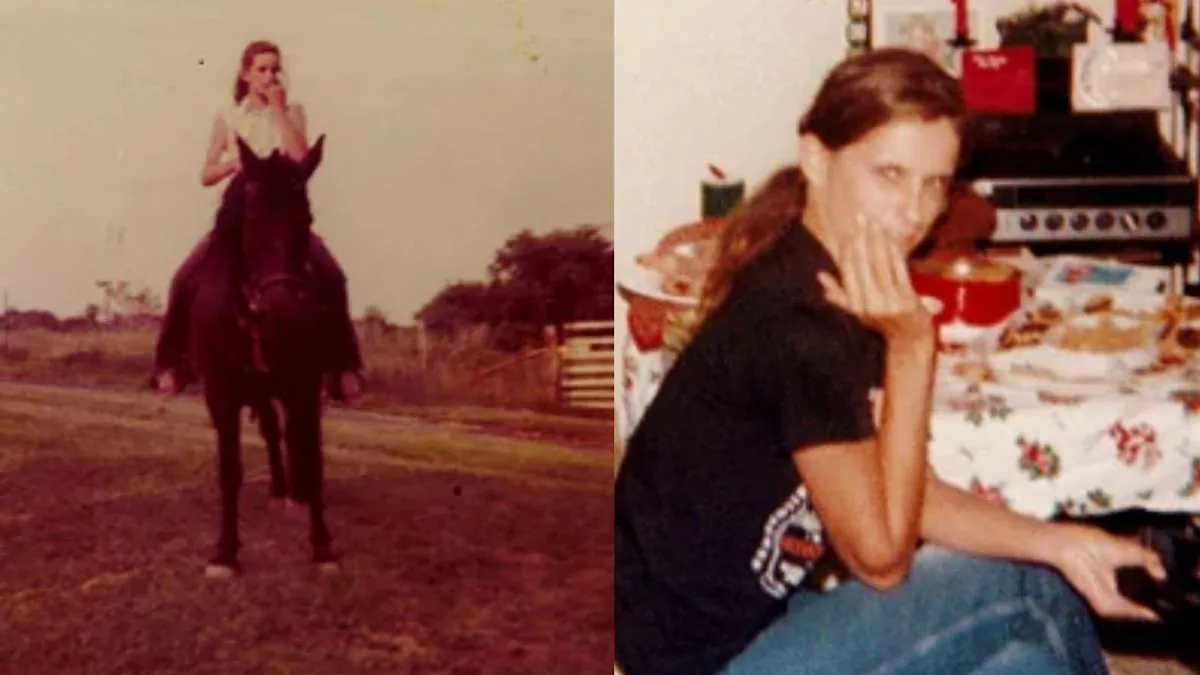
Florida Woman Missing for Thirty Five Years Identified as Passenger Killed in Washington Semi Truck Crash After DNA Breakthrough
LONGVIEW, WA — A Florida woman who vanished in 1991 has been identified as the female passenger killed in a fiery semi-truck crash on Interstate 5 in Washington state, ending a 35-year mystery for her family.
Washington State Patrol said Mary Ellen “Mollie” McCullough was the unidentified victim known for decades as Helen Doe. McCullough died in the May 14, 1991, collision in Kalama, and her remains were not matched to her family until DNA work and genealogy research finally connected the case in 2026.
For investigators, the identification closed one of the state’s long-running unidentified-person cases. For McCullough’s relatives, it answered a question that had lingered since she disappeared after leaving home to catch a ride.
What happened on Interstate 5 in 1991
The crash happened on southbound Interstate 5 in Kalama and involved two semi-trucks. One driver, Lester Harvel of Missouri, was killed in the collision, along with a female passenger who could not be identified at the time.
The wreck caused a severe fire, and investigators were left with few clues about the woman’s identity. Because Mount St. Helens could be seen from the crash scene, the unknown victim was given the nickname Helen Doe and was later buried in Longview in an unmarked grave.
The case remained unresolved for years, even as investigators preserved the remains and kept the file active. At the time, law enforcement had little to work with beyond witness information and the physical evidence recovered from the crash.
How Washington State Patrol reopened the cold case
In 2014, Washington State Patrol detectives Greg Wilcoxson, now retired, and Detective Sergeant Stacy Moate reopened the investigation. They worked with the Cowlitz County Coroner, the King County Medical Examiner’s forensic anthropologist Kathy Taylor, and others to exhume the remains and look again at the evidence.
Because early information suggested the woman may have been Native American, the Puyallup Tribe of Indians gave its blessing and support for the exhumation. Forensic sketch artist Natalie Murray then produced a sketch based on the remains and witness descriptions, and another sketch was completed later.
Investigators created a DNA profile, but there was no match in the FBI’s national database. Even so, federal, state, county, and tribal agencies kept distributing the sketches and preserving the case as the search continued.
New DNA technology shifted the investigation
The breakthrough came in May 2022, when Othram Labs developed a more advanced DNA profile and uploaded it to FamilyTreeDNA.com. That analysis showed the victim was not Native American, but instead had Scottish, Irish, and English ancestry.
With help from Othram and local genealogist and volunteer Renee Kerr, Moate began building lists of possible relatives. The detective then spent years working through the names, making calls, sending emails, and following leads whenever her caseload allowed.
During that period, more missing Indigenous people were being added to databases nationwide, but the woman in the Washington case still had no confirmed identity. The investigation continued to move slowly until one final phone call changed everything.
The phone call that gave Helen Doe a name
On August 6, 2026, after two unsuccessful identification calls earlier that day, Moate tried one more number from Othram’s list. She reached Michael McCullough, whom investigators later confirmed was the victim’s brother.
Moate explained that detectives were trying to identify a woman killed in a crash in Washington in the early 1990s and that DNA suggested she belonged somewhere in his family tree. McCullough then told her the missing woman was his sister, Mollie.
Several more weeks of DNA confirmation followed before the Cowlitz County Coroner could say definitively that Helen Doe was Mary Ellen “Mollie” McCullough. The family had spent more than three decades wondering what had happened to her.
Family answers, relief, and a return to Ohio
Moate said she worried for years that she would not identify the woman before retirement and feared the family might not care to come forward. Instead, she found relatives who had been searching for Mollie and wanted answers about what happened to her.
She said the family was relieved to learn that McCullough had not been the victim of homicide and did not appear to have suffered. Her brother Mike McCullough said the family was grateful for the work of Washington State Patrol, Othram Labs, the Puyallup Tribe, and the Cowlitz County community.
The family now plans to have her cremated remains returned to her birthplace in Cambridge, Ohio. After 35 years of uncertainty, investigators say the case finally gave the McCullough family the answer they had long wanted.
Officials praise the persistence behind the identification
Washington State Patrol Chief John Batiste praised the detectives and forensic specialists who kept pushing the case forward. He said the agency’s Missing and Unidentified Persons Unit and forensic scientists work together to follow evidence as far as it will go.
Batiste said Moate’s persistence also helped generate additional DNA evidence entries in other cases, underscoring the broader value of the work. He told the family that not every case ends with a joyful resolution, but that the agency understood the pain of the last 35 years.
McCullough’s family said they appreciated the outpouring of care shown to Mollie over the years and thanked the people who helped keep her story alive. For investigators, the identification turned a decades-old anonymous death into a named victim with a family and a final resting place.