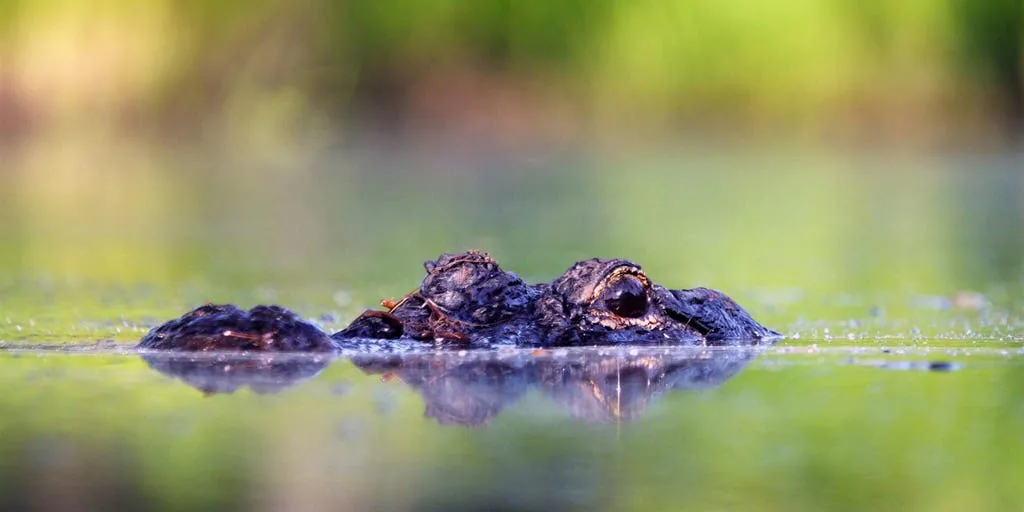
Florida Man Killed by 12-Foot Alligator While Fishing at Lake Apopka as Officials Warn the Lake Holds Many Gators
WINTER GARDEN, FL — A 71-year-old Winter Garden man was killed Friday evening after an alligator attacked him while he was fishing near the shore of Lake Apopka, according to Florida officials. The Florida Fish and Wildlife Conservation Commission identified the victim as Steven Hamilton after emergency crews tried to pull him from the water.
Authorities said the encounter turned deadly at the lake shoreline, where active alligators were nearby. The Winter Garden Police Department said the alligator involved measured nearly 12 feet long and was trapped and killed after the attack.
Police Chief Michael Mason said the lake is known to contain many alligators, but officers did not know one was close to the shore before the attack. He urged people to stay alert around wildlife and keep their distance, even when an animal appears calm.
Rescue effort unfolded with alligators still in the water
Emergency responders faced a difficult rescue because other alligators were active in the area when they reached the shoreline. Officials have not detailed exactly how long the man was in the water before rescuers recovered him, but the attack happened in the evening and ended with a fatality.
The Florida Fish and Wildlife Conservation Commission said the victim was fishing when the attack occurred. The agency and local police worked together after the incident, and the alligator was removed from the scene following the response.
Lake Apopka is one of Florida’s large inland waterways and a place where alligators are common. Even so, wildlife officials say attacks remain rare, though the risk rises when people get too close to the water or fail to notice an animal nearby.
Officials say Lake Apopka has a heavy alligator presence
Mason described Lake Apopka as a place with “tons of alligators,” saying the species is common there because it is an opportunistic feeder and thrives in the state’s warm wetlands and lakes. In his telling, the danger was not unusual for Florida, but the timing and location made the encounter especially serious.
He said authorities were not aware before the attack that an alligator was near the shore where Hamilton was fishing. That detail underscores a familiar challenge in Florida wildlife incidents: animals can blend into the waterline and remain difficult to spot until someone is already too close.
The incident added to concerns around one of the state’s most recognizable native predators. American alligators live across Florida, but officials still stress that people should treat every shoreline as potentially hazardous, especially at dusk or near still water.
Florida leads the nation in recorded alligator attacks
Officials said Florida ranks first in the country for alligator attacks, a statistic that reflects the state’s large alligator population and frequent human contact with lakes, canals and wetlands. Researchers cited by officials found that 96 percent of recorded incidents stem from human inattention or risk-taking before a bite.
That pattern includes situations where people get close to the water, misjudge an animal’s location or assume an alligator is inactive. Wildlife authorities say those mistakes can quickly turn dangerous, especially in areas where alligators are naturally present.
The warning from local officials was straightforward: respect wildlife, keep your distance and stay aware of your surroundings. Mason said an alligator may look docile or familiar, but it can still be dangerous in an instant.
The death marks the second deadly Florida attack this year
Officials said Hamilton’s death was the second fatal alligator attack in Florida this year. The earlier case happened in June, when 31-year-old Brittany Clark was killed by an alligator near her home in Oviedo, according to authorities.
Last year also brought a deadly encounter in the state. In May, 61-year-old Cynthia Diekema was killed after an alligator tipped her out of a canoe, officials said.
Those incidents show that while attacks are rare, they can happen in different settings, from shorelines to boating areas near residential communities. Florida residents and visitors are often reminded that the state’s waterways are shared with large predators, and caution remains the main protection.
Wildlife officials say caution matters at Florida waterways
After the attack, officials emphasized that people should treat lakes, rivers and canals as active wildlife habitats rather than recreational spaces alone. The advice is especially relevant in places like Lake Apopka, where large alligators may be present even when they are not immediately visible.
Mason’s message to the public was simple: stay aware, be safe and give wildlife space. He said the creature may seem like part of the Florida landscape, but that appearance should never be mistaken for harmlessness.
For residents near Florida’s waters, the fatal attack serves as a reminder that danger can come from the shoreline as much as from open water. Officials say avoiding the edge, watching the surroundings and not underestimating an alligator are key steps in preventing another tragedy.