Florida Dealer Faces Fraud Charges After Troopers Say Used Cars Were Sold With Odometers Rolled Back and Fake Mileage Records
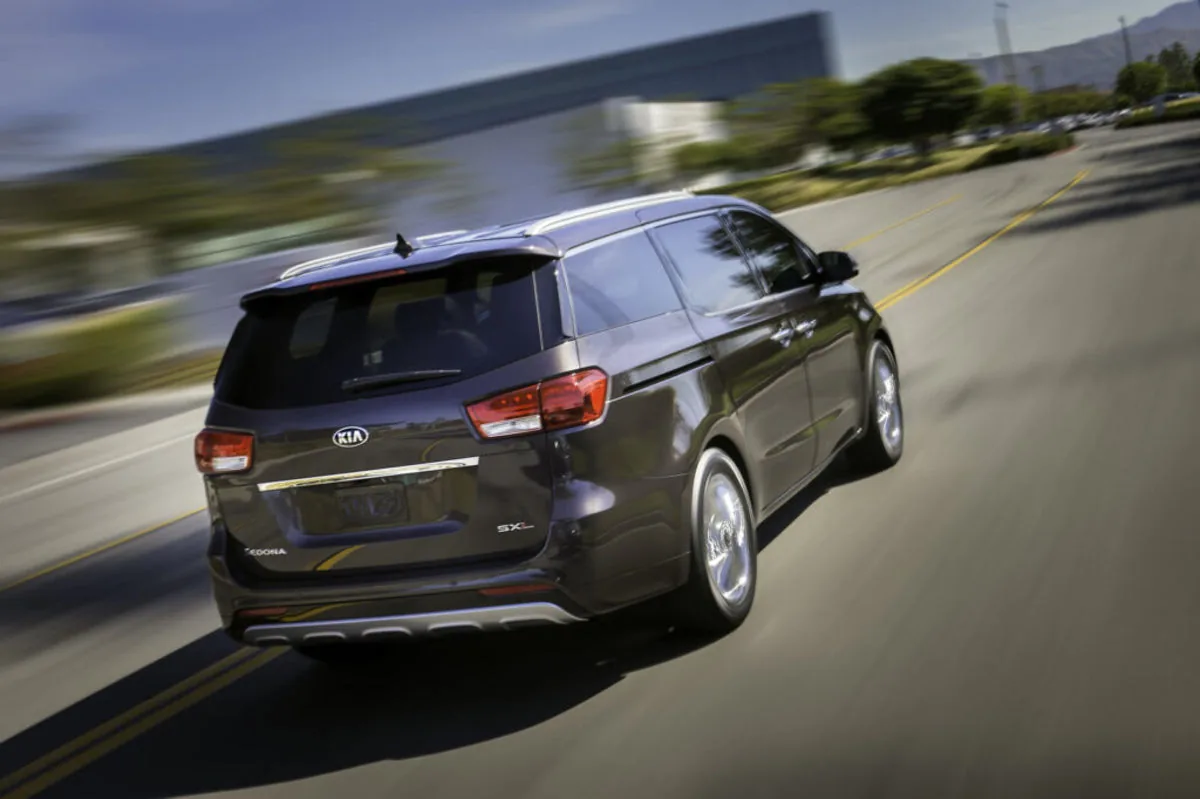
LAKE WORTH BEACH, FL — Florida Highway Patrol troopers say a Lake Worth Beach used-car dealer sold a 2016 Kia Sedona showing 68,000 miles even though it had arrived with more than 182,000 miles. Investigators say that discrepancy, a gap of roughly 114,000 miles, helped trigger a broader fraud case against the business and its owner.
Anthony Rodriguez, 33, who owns Brother’s Best Deal Auto Sales, was arrested last week, according to CBS12, which cited a 36-page warrant affidavit from Florida Highway Patrol. Troopers say he now faces a charge of organized fraud involving $50,000 or more, along with several felony counts tied to vehicles with tampered odometers. The allegations have not been tested in court.
Troopers say the Kia Sedona was only the start of a larger review
Investigators say the Sedona was just the first car that pointed them toward a much wider pattern. Troopers went through 139 vehicles sold by the dealership in 2024 and 2025 and say more than half had mileage readings that did not match the cars’ actual histories.
Among the examples cited by Florida Highway Patrol were a Kia Forte sold with an odometer reading of 125,000 miles even though investigators say the car had gone about 251,000 miles. A Nissan Altima that had passed 235,000 miles was allegedly sold showing about 125,000 miles. Troopers say the mismatched numbers suggested a systematic effort to make high-mileage cars appear far less used than they really were.
The agency has not said that every vehicle reviewed was altered, but it says the share of questionable cars was large enough to support a broader criminal investigation into the dealership’s sales practices.
One buyer says the hidden mileage led to costly repairs
Florida Highway Patrol says one woman who bought the Nissan Altima told investigators she has since spent more than $5,000 on repairs. She said she would not have purchased the vehicle had she known its true mileage. Her account adds a consumer harm angle to the case, since lower mileage often affects both price and expected repair costs.
Investigators say the fraud allegations are not limited to a few isolated mistakes. Instead, they describe repeated mileage gaps across cars sold during a two-year span. That pattern, if proved in court, could show how deceptive odometer readings can mislead buyers who rely on the numbers to judge the value and condition of a used car.
State and federal consumer protections generally treat odometer tampering as a serious offense because mileage is one of the main factors shoppers use when comparing similar vehicles.
Former workers described a man who handled keys and, they say, the mileage changes
According to Florida Highway Patrol, the dealership bought many of its cars at auction after they had already accumulated substantial mileage. Investigators say a man staff referred to as the “electrician” or the “key guy” later turned back the odometers before the vehicles were sold.
One former employee reportedly told investigators that about 13 in every 20 cars may have had fake mileage. Troopers say they identified the man they believe performed the work, but he denied changing any odometers and told investigators his only role was cutting keys for the dealership.
Rodriguez also denied personally rolling back the odometers, investigators say. The accounts from former employees and the suspect are central because they point to who may have handled the vehicles before buyers saw them on the lot. Those claims are still allegations, and no court has weighed the evidence yet.
Rodriguez is accused of changing paperwork after buyers signed
Investigators say Rodriguez admitted altering paperwork after buyers had already signed it, without telling them. That detail matters because even if a buyer sees one number on a car’s dashboard, different records may be needed to confirm the vehicle’s history before the sale is complete.
When asked why the mileage had been changed, Rodriguez allegedly pointed to money, saying the business needed the extra revenue to stay open and that cars with more miles bring lower prices. Troopers say that explanation aligned with the financial incentive to make older, high-mileage cars appear more desirable to shoppers.
FHP says it believes those actions were part of the larger fraud scheme. The case now turns on proving how the documents were changed, who did it, and whether the mileage readings were intentionally falsified to boost sales.
Fake tags and seized vehicles broadened the investigation
Florida Highway Patrol also says investigators found fake temporary tags during the probe. During searches of two dealerships, troopers seized eight cars with questionable mileage, widening the case beyond the original Kia Sedona sale.
The seizure suggests investigators are still sorting through which vehicles may have been altered and which records can be trusted. It also shows the inquiry has moved beyond a single transaction and into the business practices of the dealerships themselves.
For used-car buyers, the case is a reminder to compare the odometer with the mileage shown on the title and service records, and to pull a vehicle history report before signing. Heavy wear on the pedals, seats or steering wheel can also signal that a car has been driven far more than the dashboard suggests.