Illinois Man Who Helped Convict a Former Co Worker in a Missing Teen Murder Case Now Says Prosecutors Pressured Him Into False Testimony
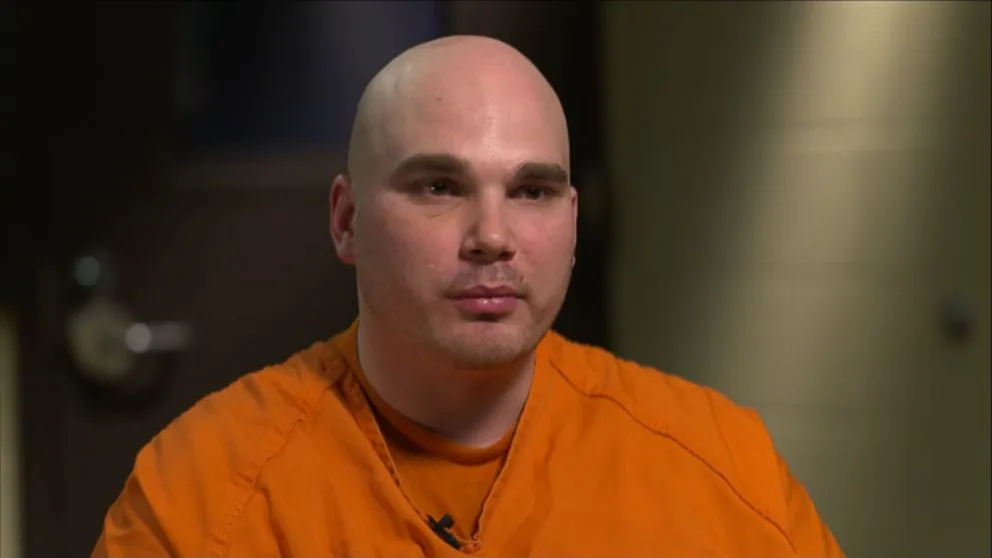
CHICAGO, IL — A key witness in a long-running Illinois missing teen murder case is now saying the testimony that helped send a former co worker to prison was false. Shane Lamb told ABC News he was pressured by prosecutors to give evidence against Mario Casciaro in the disappearance of 17-year-old Brian Carrick.
Lamb said the account he gave years ago was not true and that he was pushed into cooperating while facing his own criminal charges. He is serving time on burglary charges and said he wants Casciaro released. Casciaro was convicted in 2013 and sentenced to 26 years in prison after two trials over Carrick’s disappearance and presumed killing.
The disappearance that began at a small town grocery store
Brian Carrick vanished on Dec. 20, 2002, while working as a stock boy at Val’s Foods in Johnsburg, Illinois. Carrick was 17 and never seen again. His body has never been found.
Val’s Foods was the only grocery store in town, and the case quickly became tied to people who worked there. Casciaro’s family owned the store, and several members of Carrick’s family also worked there. Police later recovered blood evidence belonging to Carrick in the store’s produce cooler, along with a bloody fingerprint on a door handle.
Investigators believed Carrick may have been killed over a drug debt he owed Casciaro. Still, the case remained difficult to prove because no eyewitness directly tied Casciaro to the crime scene.
How prosecutors built the case around Shane Lamb
Lamb, another former stock boy, became central to the prosecution’s case. For years he denied knowing anything about Carrick’s disappearance, according to his comments to ABC News. He later said that changed in 2010 when he was again facing serious charges and was offered a deal by assistant state’s attorney Michael Combs.
Lamb said he was told he could be indicted for murder if he did not cooperate. He said he was then encouraged to describe a violent encounter that placed Casciaro at the center of Carrick’s disappearance. In the recorded meeting with prosecutors, Lamb said Casciaro called him to the store to scare Carrick over drug debts.
Prosecutors portrayed Casciaro as a drug dealer and Lamb as an enforcer. Lamb’s account became one of the prosecution’s most important pieces of evidence.
Recorded testimony and the deal Lamb says he received
In videotaped meetings with prosecutors obtained by ABC News, Lamb described what he said happened on the night Carrick disappeared. He said he punched Carrick several times and left him unconscious in the produce cooler. He also said Casciaro told him, “Get out of here. I’ll take care of this.”
Lamb now says that story was made up under pressure. He told ABC News, “All of it was false, every single thing … the state’s attorney set it up.” He also said, “Mario didn’t have anything to do with this. He doesn’t deserve to be in prison.”
According to Lamb, prosecutors offered him immunity from charges tied to Carrick’s death and a reduced sentence on a cocaine conviction in exchange for testimony against Casciaro.
Casciaro was tried twice before the 2013 conviction
Casciaro was charged on Feb. 25, 2010, with first-degree murder with intimidation and unlawful restraint in Carrick’s disappearance. The murder charge was unusual because it meant he could be held responsible even if he never physically touched Carrick or ordered Lamb to hurt him.
Prosecutors took Casciaro to trial twice. The first trial ended on Feb. 1, 2012, after jurors split 11 to one in favor of conviction and the judge declared a mistrial. The state tried him again in March 2013.
On April 2, 2013, a jury found Casciaro guilty of first-degree murder with intimidation. He was later sentenced to 26 years in prison.
What Lamb’s recantation could mean now
Lamb’s new account adds another twist to a case that has already stretched over more than two decades. His testimony was a major reason prosecutors were able to secure a conviction in a case with no body and limited physical evidence directly linking Casciaro to the disappearance.
By saying he was coerced, Lamb is challenging the foundation of the state’s case against Casciaro. His comments do not change the fact that Carrick remains missing, but they do call renewed attention to how the conviction was obtained and whether the original deal shaped what jurors heard.
For Carrick’s family and Casciaro’s supporters, Lamb’s recantation reopens questions that had seemed settled after the 2013 verdict. The case now stands as another reminder of how heavily criminal prosecutions can depend on cooperating witnesses.