Florida Police Officer Allegedly Lived in Dead Man’s Home for Years, Used His Identity, Then Sought Reimbursement After Spending Thousands on Renovations
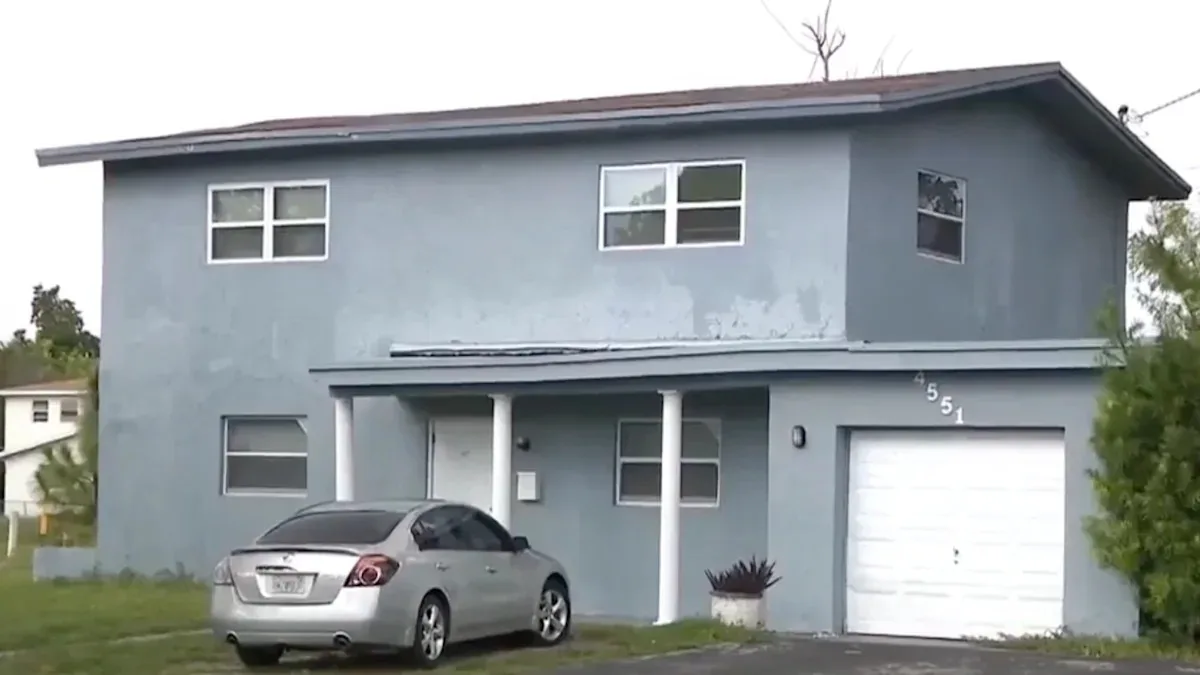
LAUDERHILL, FL — A Florida police officer was arrested in October after authorities say he took over a dead man’s home, lived there for years and later sued for repayment tied to renovations. Investigators say Brian Louis Sguros moved into the South Florida property a few weeks after responding to a welfare check there in July 2022.
The home belonged to Dennis Ionis West, whose body was found near the front entrance after police were called to check on him. Medical findings later determined West died of cardiovascular disease. Authorities say Sguros then used West’s identity, occupied the home with a partner and kept the property functioning under West’s name for years before the case came to light.
How investigators say the alleged takeover began after the welfare check
According to local reporting cited in the case, Sguros was one of the officers who responded when West’s home was checked in July 2022. During the investigation that followed West’s death, authorities say Sguros claimed to be a friend of West and said he could not find any living relatives.
Weeks later, investigators allege, he moved into the house and remained there for about four years. Police say he used West’s name in dealing with the property, even though West had already died. The alleged scheme included paying property taxes and utility bills while presenting the home as if West were still tied to it.
Authorities also say Sguros used police databases to access personally identifiable information. The case has drawn attention not only because of the property allegations, but because the suspect was a sworn officer with access to law-enforcement tools and records.
Renovations, bills and the disputed claim for repayment
As the years passed, Sguros allegedly invested his own money into improvements at the house. WPLG reported that he claimed to have spent $214,000 on renovations, a figure that became part of the broader dispute once the property rights were sorted out.
He is also accused of keeping the household expenses up to date in West’s name, including taxes and utilities. That arrangement, authorities say, helped keep the home in place while the occupation continued. The alleged financial handling of the property is part of why investigators view the case as more than a simple break-in or squatter dispute.
After the takeover was discovered, the money spent on improvements became central to the fight over the home. Instead of quietly leaving, Sguros allegedly pressed ahead with a legal claim seeking reimbursement for the work he says he paid for.
Heirs were later found and the property rights changed hands
West did in fact have surviving heirs, according to the case details. They were later located by Equinox Realty Holdings, which then acquired the property rights. When the company came to the home, it found Sguros still living there.
At that point, Sguros agreed to turn over the keys. The property was no longer in the same legal position as when he first moved in, and the discovery of West’s heirs changed the direction of the matter. What began as an apparent dead-end search for family turned into a property dispute with criminal consequences.
Equinox Realty Holdings later took the issue to law enforcement. Its attorney filed a complaint with the Lauderhill Police Department, setting off the arrest and criminal case that followed.
Charges against Sguros include misconduct and use of a deceased person's identity
Sguros faces five criminal charges, including official misconduct and criminal use of a deceased person’s identification information. Authorities have not said the case is resolved, and the charges have not been proven in court.
He is currently on leave without pay. The allegations remain just that until they are tested in court, but the case has already raised questions about how a law-enforcement officer allegedly handled both public authority and private property matters over several years.
The arrest stands out because it combines property fraud allegations with the conduct of an on-duty officer. According to investigators, the alleged misconduct involved not only moving into the home, but also using internal access and identity information to support the occupation.
Why deed fraud can target vacant homes and estates
The case fits a broader pattern often called deed fraud or title fraud. In these scams, criminals use stolen identities or fake documents to make it appear that property has been transferred legally. Vacant homes, inherited estates and second homes are common targets because they can draw less immediate attention.
The FBI’s 2025 IC3 Report said 12,368 real estate fraud complaints were filed in 2025, with losses totaling more than $275 million. Older adults accounted for $123.6 million of those losses. The report also notes that a paid-off mortgage can make a property more vulnerable because there is less lender oversight.
Fraudsters may try to sell a home, refinance it, take out a loan against it or, as investigators say happened here, move into the property itself. Because of that, experts advise owners and heirs to monitor records, keep identity credentials secure and move quickly when a relative dies.
What homeowners and heirs can do to spot problems early
Security steps start with protecting personal information. Strong passwords, multi-factor authentication and attention to missing bills or unexplained mortgage changes can help flag trouble early. County recorder offices may also offer property fraud alerts that notify owners whenever a new filing appears.
People can also check property records a few times a year to make sure ownership and mailing information have not changed. If a family member dies, experts recommend handling title transfer quickly and working with an estate attorney when needed. A valid will or living trust can also make it harder for fraudsters to exploit uncertainty during probate.
If a home is left vacant, regular monitoring matters. That can mean paying utilities, checking the property in person or asking a trusted neighbor or manager to watch it. Title insurance may also provide some protection, and suspected victims are urged to contact the county recorder, local police, the FBI’s Internet Crime Complaint Center and a real estate attorney.