DNA in Flower Bed Helps Lead Midlothian Police to Arson Arrests After August Home Fire Left Family Seeking Answers for Fifteen Months
MIDLOTHIAN, TX — DNA recovered from a gasoline nozzle in a flower bed has helped Midlothian police identify two men accused of setting a family home on fire while children were inside. The case stems from an August 2025 blaze at Darryl Wilson’s home on McAlpin Road, and investigators say a mix of video, license plate readers, cellphone data and forensic testing tied the suspects to the scene.
Wilson and his family now have arrests in the case, but they still do not know why the house was targeted. Fifteen months after the fire, that question remains central for the family and for police, who say the investigation is still active. Bennie McGriff Jr. and Rashad Harrington are charged with first-degree felony arson in connection with the fire.
How investigators say the fire was carried out
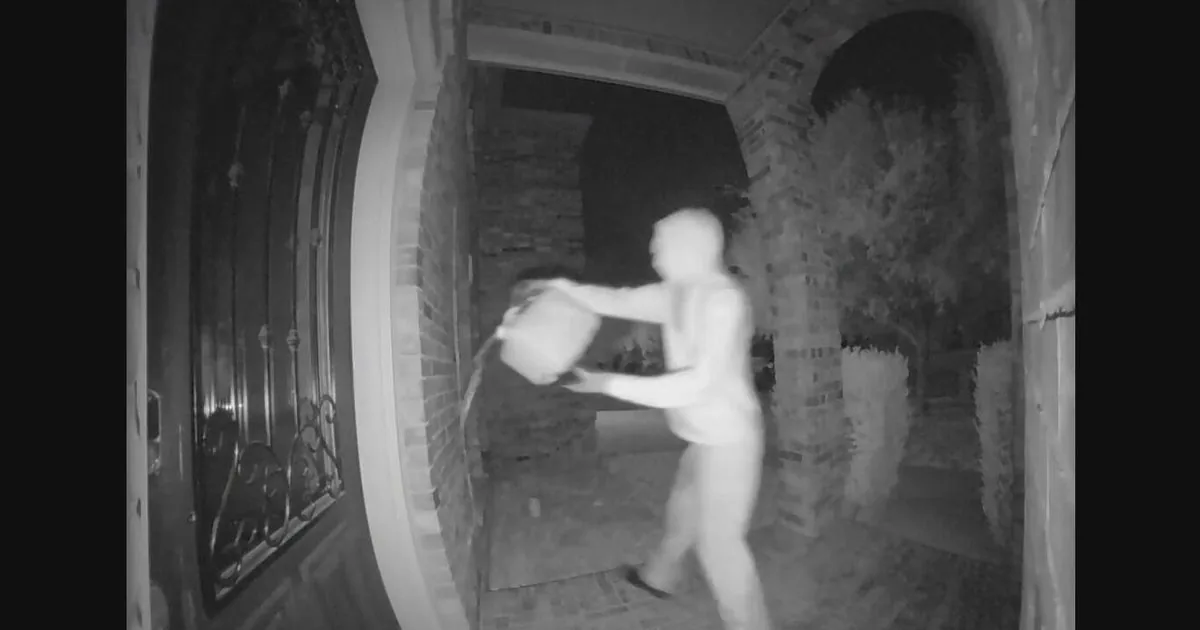
Court documents say the family’s surveillance camera captured a masked person pouring what appeared to be gasoline along the front of the home before igniting it. The suspect then fled. Because the camera did not record a usable timestamp, detectives had to piece together the sequence of events with other evidence from the neighborhood and surrounding roads.
Wilson was awakened by his daughter and found the home on fire. He was able to put out the flames with water, limiting the damage. Even so, the incident left the family shaken and searching for an explanation, especially because children were inside when the fire was set.
Investigators said another camera near the home showed a white Ford F-450 around the time of the fire. That truck became one of the key leads in the case.
Truck sightings and phone records traced the trip to Midlothian
Police say license plate readers and cellular records helped them map the truck’s route from Kerens to Duncanville, then to Midlothian and back again after the fire. Investigators believe McGriff picked up Harrington in Duncanville before the two traveled to the Wilson home. After the blaze, the truck reportedly returned to Duncanville and then headed back toward Kerens.
That reconstruction gave detectives a timeline for the night of the arson and helped connect the vehicle to McGriff. Court records also say McGriff’s phone connected to the truck through Bluetooth during the trip, creating another link between the man and the vehicle seen near the home.
When detectives questioned McGriff at the Navarro County Jail in February, he denied knowing anyone in Midlothian and denied driving there the night of the fire. The records say he owned the phone number investigators tracked.
Why police say Harrington’s phone activity matters
Harrington’s cellphone activity also drew investigators’ attention. According to court documents, detectives say McGriff and Harrington communicated before the fire. Then Harrington’s phone went silent during the period when the arson is believed to have happened, which police say added to suspicion surrounding his role in the case.
Cellphone evidence alone was not enough to solve the investigation, but it helped detectives build a broader timeline. Combined with the truck data and surveillance footage, investigators say it strengthened the case for probable cause against both men. Police have not publicly laid out every step of the investigation, but the court filings show how digital records became central to the arrests.
McGriff and Harrington both face first-degree felony arson charges tied to the August 2025 fire.
The gasoline nozzle and DNA match in the flower bed
One of the most important pieces of physical evidence was a gasoline nozzle recovered from Wilson’s front flower bed. Police say DNA testing by the Texas DPS Crime Lab linked Harrington to that nozzle. Investigators described the match as a key part of the case, especially because the nozzle was found near the home after the fire.
That DNA result, paired with the video and the phone data, gave detectives multiple ways to connect the suspects to the scene. The evidence did not just point to a possible presence near the home; police say it helped establish probable cause in the arson investigation.
For Wilson, the discovery may help explain how investigators reached the arrests, but it does not answer the bigger question that still lingers for his family.
A family still waiting to learn why they were targeted
Wilson and his family have declined an on-camera interview, saying they want to respect the legal process and have also faced attacks on social media. They told CBS News Texas they do not know either suspect, which only deepens their frustration over the attack and the lack of a clear motive.
Midlothian police say the investigation remains open and additional charges are possible. For now, the arrests represent progress, but not closure. The family wants to know who wanted them hurt, and why the fire was set while children were inside their home.
That unanswered motive has remained the most painful part of the case for more than a year. Even with arrests and forensic evidence, the reason behind the arson is still unknown.
What happens next in the Midlothian arson case
The criminal case now moves forward with McGriff and Harrington facing first-degree felony arson charges. Court records show investigators believe the truck, the phone data and the DNA result all point to their involvement in the fire at the Wilson home.
Police have not said whether the men have entered pleas or whether prosecutors will seek additional counts. They have also not ruled out more charges as the investigation continues. For the Wilson family, the legal process may eventually provide more answers, but the motive remains the missing piece.
Until then, the case stands as both a breakthrough and an unresolved trauma: arrests have been made, but the reason for the attack has still not been explained.