Houston Man Accused of Holding His Disabled Wife Captive for Years After 911 Call Exposes Alleged Abuse and Police Later Confirm Prior Contact
HOUSTON, TX — Police in Houston say a woman was kept captive for five years inside the home she shared with her husband and children, until a brief 911 call on Friday brought the case to light. James Earl Johnson was arrested that morning and later posted bond, with a court order requiring him to stay away from the woman and the family home.
According to court documents and police, the 46-year-old woman, who is disabled, had been confined to a bedroom and denied access to a phone. Investigators say the situation came to attention when Johnson left a phone on a nightstand, allowing her to call emergency dispatchers. Police say he interrupted the call, then allegedly slapped her and carried her back to bed before hanging up.
Police say the woman was confined in the family home for years
Investigators say the home was a place of control, not safety. The woman was allegedly locked in a bedroom for years and kept from reaching out for help on her own. Police say Johnson and the victim lived in the residence with their children, making the alleged confinement part of daily family life rather than a single isolated incident.
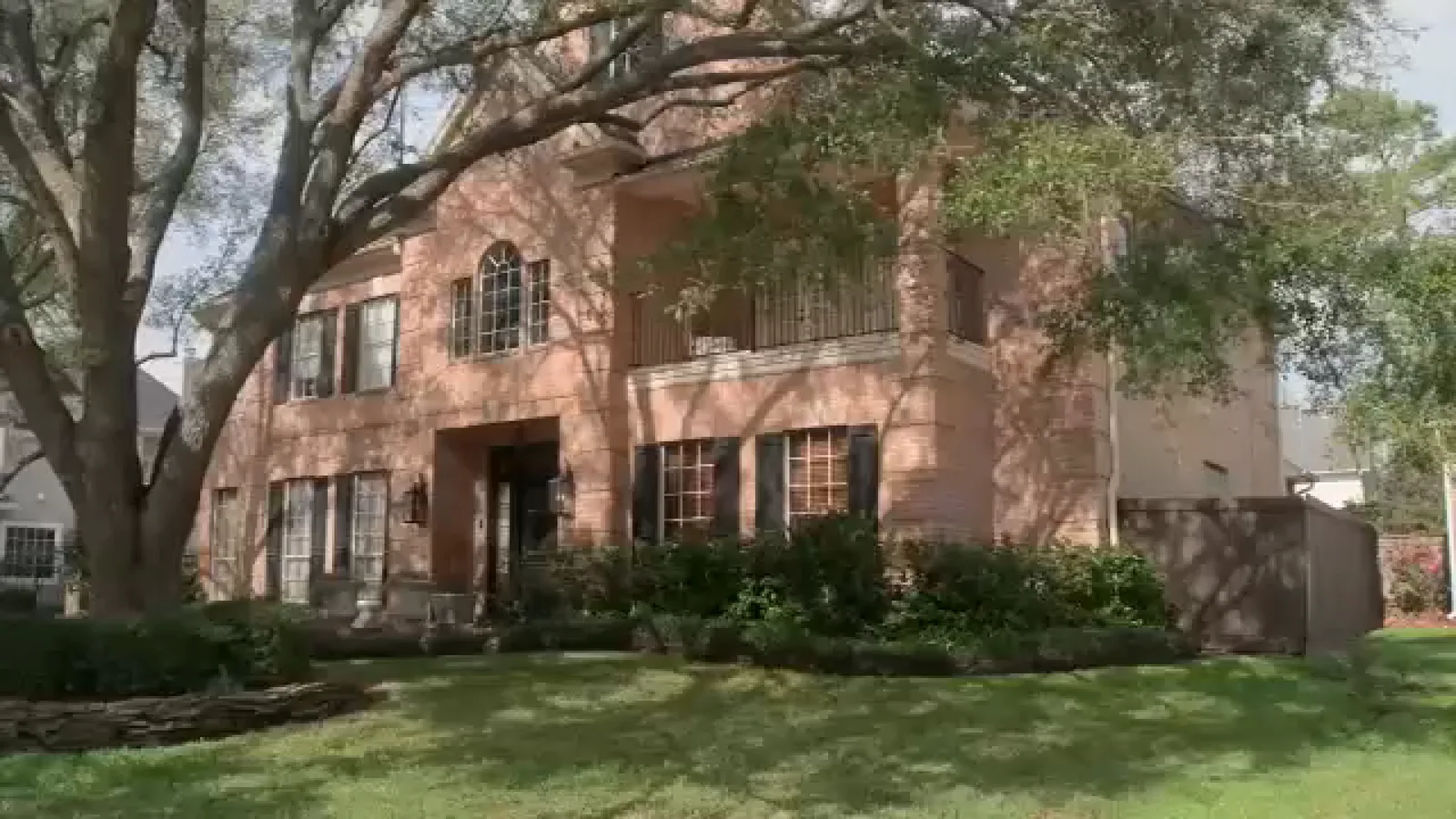
The house itself was described in court records as a million-dollar property in Houston. That detail underscores the contrast between the outward appearance of the home and what police say happened inside. Authorities have not publicly described how often the woman was allowed out of the room, but the allegations point to long-term restriction and isolation.
Johnson was taken into custody Friday morning, though records show he later bonded out. The court order tied to his release bars him from going near the victim or the home while the case moves forward.
911 call ended after officers say Johnson intervened
The turning point came when the woman managed to reach 911 using the phone Johnson had left within her reach. Police say the call did not last long enough for a full conversation, because Johnson cut it off after the woman started speaking with dispatchers.
According to court documents, officers say he then physically forced her back into bed. The alleged sequence is central to the criminal complaint because it suggests both an attempt to seek emergency help and a rapid response by the suspect to stop it.
Emergency calls are often the only window outside authorities get into a hidden abuse case. In this instance, the attempted call appears to have been the first concrete opening after years of alleged isolation, at least based on the details made public in court filings and police statements.
Earlier police visit did not lead to a report
Authorities also confirmed that officers had contact with the home on Nov. 16, after the woman called police. When officers arrived, she reportedly told them that she and her children had been instructed to stay quiet and not speak to police.
Police left that day without filing a report. That earlier visit now stands out as a missed opportunity to document what may have been happening inside the house, though officials have not explained in detail why no report was completed or whether the circumstances appeared different at the time.
The fact that there had already been a police response suggests the alleged abuse may have been visible to the victim before Friday. It also shows how difficult it can be for victims in controlling relationships to disclose enough information to trigger a formal intervention when officers first arrive.
A trauma therapist explains why leaving can be especially hard
Trauma therapist Chau Nguyen said people often underestimate how difficult it is for abuse victims to leave, particularly when disability is involved. Nguyen noted that physical limitations can make escape harder, especially when the victim depends on the abuser for daily needs or mobility.
Nguyen also pointed to fear and dependency as common barriers. In some abusive relationships, that dependency can deepen over time and may even develop into what experts call a trauma bond, where the victim becomes emotionally entangled with the person causing harm.
The therapist’s comments help explain why authorities frequently encounter delayed reporting in domestic abuse cases. A person may be able to ask for help only after many failed attempts, or after finding a brief moment when the abuser is distracted or has made a mistake.
The woman was hospitalized as family members await more answers
The woman’s adult son told KTRK that his mother was in the hospital on Monday, but he did not describe her condition or explain the nature of her disability. That limited update leaves several key questions unanswered about her physical state and what kind of care she may now need.
Johnson had not hired a lawyer at last check, according to the station. KTRK also tried reaching him at the phone number listed on court paperwork, but did not receive a return message. Those details suggest the legal case is still in its early stages.
For now, the public record centers on a disturbing allegation: that a disabled woman was trapped in her own home for years until she was able to make a short emergency call. The case is likely to draw continued attention as prosecutors, defense counsel and family members fill in the missing pieces.