Strong El Niño Could Bring Wetter South Florida Winter With Higher Flood and Severe Weather Risk, National Weather Service Miami Says
MIAMI, FL — A very strong El Niño in the Pacific is expected to shape South Florida’s winter weather, with the National Weather Service in Miami warning that the region could see above-normal rainfall, a higher flood threat and more severe weather.
Forecasters say the pattern typically pushes stormier conditions into the southern United States during the cooler months. In South Florida, that can mean more frequent storm systems crossing the area and a greater chance of heavy rain, strong storms and even tornadoes during the dry season.
Why this El Niño is raising concern for Florida
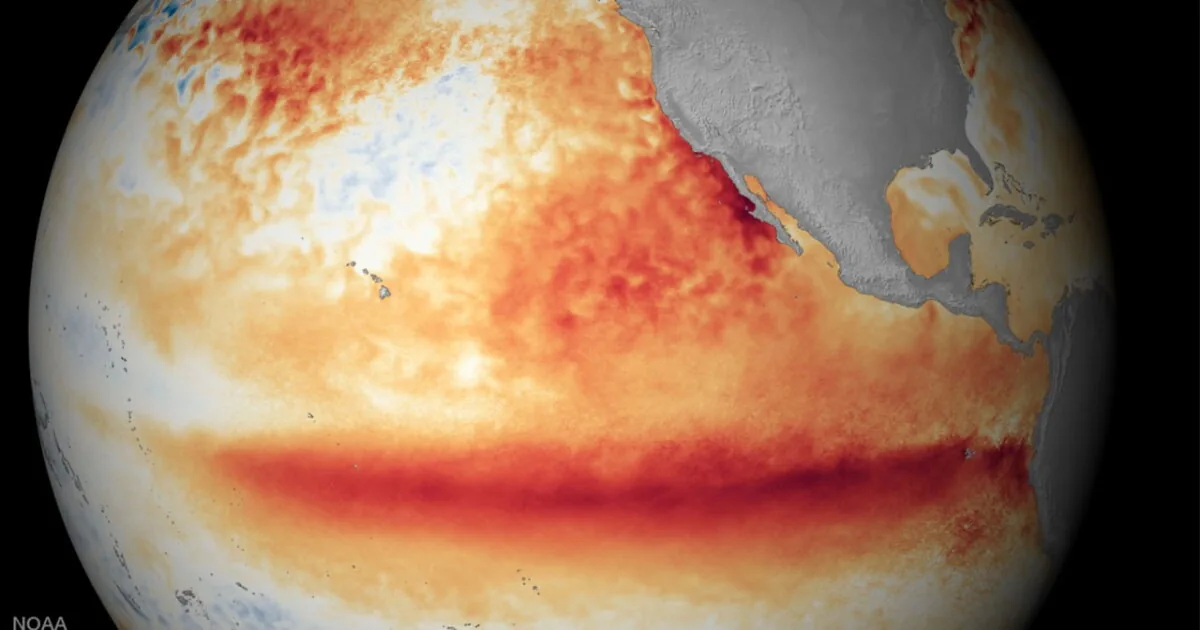
The Weather Service says the current event is unusually strong and could match or even exceed the historic 1997 to 1998 El Niño, which remains the strongest on record since 1950. Because of that strength, forecasters say confidence is high that the state will face an elevated risk of impactful weather this winter.
El Niño tends to shift the subtropical jet stream farther south across the United States, especially in winter. That change often helps steer more storm systems eastward, increasing the odds that Florida ends up in the path of repeated rounds of rain and thunderstorms.
The 1997 to 1998 El Niño is remembered for several severe weather events, including the deadliest tornado outbreak in Florida in February 1998. That history is one reason meteorologists are watching this season closely.
Rainfall outlook points to a wetter dry season
For South Florida, the biggest immediate concern is rainfall. The National Weather Service says above-normal precipitation is anticipated during the region’s dry season, which could create more opportunities for flooding.
More rain does not guarantee widespread flooding, but it does increase the chance that saturated ground, ponding on roads and prolonged downpours become more common. For communities already sensitive to drainage issues, even a few strong systems can make a difference.
Forecasters also note that the wetter pattern is not limited to one short window. A strong El Niño can influence the broader winter season, which means the risk may persist for weeks or months rather than just during a single storm cycle.
Severe weather and tornado risk could increase
The same setup that favors more rain can also support stronger storms. The Weather Service in Miami says the combination of a southward-shifted jet stream and more active storm tracks raises the potential for severe weather, including tornadoes.
That does not mean every storm will be dangerous, but it does mean residents should be alert for stronger weather systems moving through the region. In South Florida, winter is already a season when cooler air and moisture can collide, and El Niño can make that pattern more favorable for organized storms.
Because the event is so strong, forecasters say the odds of impactful weather are higher than usual. They are urging residents to pay attention to forecasts and warnings as the season develops.
Temperatures may stay near average despite more storms
Even with more storm systems in the forecast, the outlook does not call for a major increase in freezing weather. The Weather Service says the dominant jet stream pattern tends to keep cold air masses from the north from pushing deeply into Florida.
That means extreme cold is less likely, though not impossible. Forecasters say the chance of a hard freeze is reduced, but not eliminated, because weather patterns can still occasionally allow cooler air to reach the state.
At the same time, the agency expects near-average temperatures overall. More frequent storm systems can suppress daytime highs, while milder Pacific air may keep overnight lows from dropping too far below normal.
Drier hazards like wildfires should stay below normal
The wetter outlook also has a downside for some risks and a benefit for others. According to the Weather Service, significant wildfire activity is expected to remain below normal through the winter and could stay lower into spring.
That is because more moist conditions tend to reduce the chances that vegetation dries out enough to support large fires. For South Florida, where winter can still bring a mix of dry spells and windy days, added rainfall may help keep fire danger in check.
Still, forecasters say the main headline for the season is the same: a strong El Niño is likely to tilt the odds toward a wetter, stormier winter with a greater flood and severe weather risk for South Florida.